storm
Austin Hail Damage: A Homeowner Guide to Roof Inspections
Nighthawk Crew · Oct 1, 2026
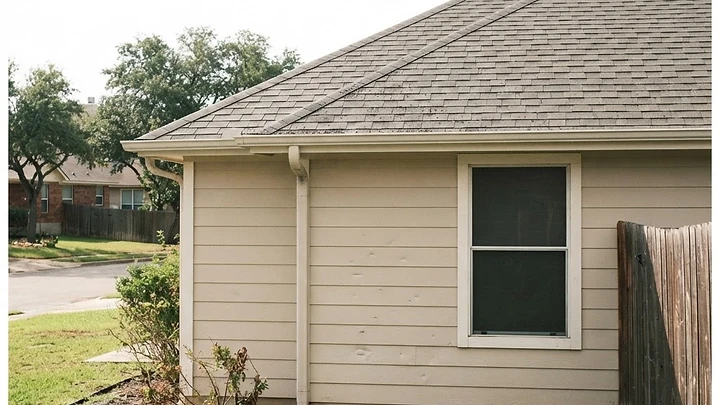
Central Texas weather patterns create a unique set of challenges for local homeowners. September often brings a brief reprieve from the peak heat, but it also serves as a reminder of the severe storms that passed through earlier in the year. Austin sits firmly within an active hail corridor. These storms frequently produce stones large enough to bruise shingle mats, dent metal flashing, and crack tile surfaces. If you suspect your home sustained damage during a recent event, you must act with precision. Understanding the mechanics of damage and the requirements of your insurance policy saves you significant stress and money. ## Identifying Hail Damage on Your Roof You do not need to climb onto your roof to identify potential issues. In fact, you should stay on the ground for your own safety. Use binoculars to scan your roof for signs of distress. Look for missing granules on asphalt shingles. Hail strikes often expose the dark fiberglass mat underneath, which accelerates UV degradation. Check your metal vents, chimney caps, and gutters for fresh dents. These soft metal components often show impact marks even when the shingles appear intact. If you see these signs, you likely need a professional safety inspection to determine the extent of the compromise. ## The Insurance Claim Clock Two specific timelines dictate the success of your storm damage claim. First, most Texas homeowner policies require you to file a claim within one to two years of the date of loss. Some policies restrict this window to exactly 12 months. If you wait too long, your insurance provider will deny the claim regardless of the damage severity. Second, damage progression happens quickly. A small bruise on a shingle today becomes a leak during the next heavy rain. Water intrusion causes rot in your roof decking and damage to your interior ceilings. You should use a cost estimator to understand the potential financial impact of ignoring these repairs. ## Why Professional Documentation Matters Insurance adjusters look for specific patterns when they evaluate a roof. They search for impact clusters that indicate a storm event rather than general wear and tear. A professional contractor documents these patterns with high-resolution photos and detailed measurements. This documentation aligns with industry standards and helps the adjuster process your claim efficiently. When you work with a local team, you ensure that your roofing services provider understands the specific code requirements for Austin neighborhoods. Whether you live in a historic home in East Austin or a newer build in the suburbs, your roof must meet current wind and impact ratings. ## Taking the Next Step If you suspect your roof sustained damage, do not wait for the next storm to reveal the leaks. Schedule a professional assessment to document the condition of your shingles, flashing, and ventilation systems. A proactive approach protects your home equity and ensures your insurance policy provides the coverage you pay for. Contact our team today to schedule your inspection and get a clear assessment of your roof health.