insurance
Austin Roof Hail Damage Claims: The 1-Year Texas Clock
Nighthawk Crew · Sep 7, 2026
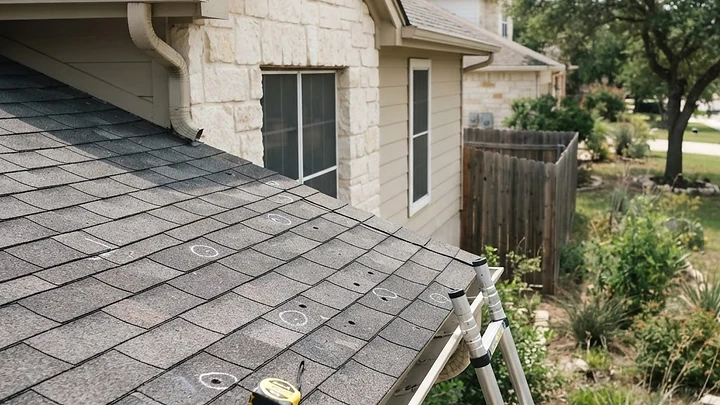
The Hidden Clock on Austin Roof Hail Damage Claims
Central Texas weather brings violent spring hail followed by brutal summer heat. In neighborhoods like Allandale, Circle C, and Travis Country, homeowners often hear stones striking the roof deck, look outside, see intact windows, and assume everything survived unscathed.
By September, attic temperatures climb past 130 degrees. The asphalt shingles that sustained hidden fractures in April start baking under persistent ultraviolet exposure. Small bruising expands into loose granule loss. Rainwater eventually penetrates the fiberglass matting. By the time water stains show up on living room drywall, homeowners discover a harsh reality: Texas insurance policies enforce a strict 12-month deadline from the date of loss to file a storm claim. Waiting until leaks appear often burns that window.
Filing an insurance claim in Austin requires understanding how policies operate under Texas Department of Insurance (TDI) rules, how adjusters distinguish cosmetic damage from functional loss, and how to protect your property before deadlines expire.
How Texas Hail Actually Destroys Asphalt Shingles
Shingles protect your home through a combination of asphalt, an internal fiberglass mat, and a top layer of ceramic-coated mineral granules. Hail stones falling at terminal velocity compress the asphalt layer against the rigid roof deck below.
Impact causes several distinct forms of damage:
- Bruising: The impact cracks the underside of the fiberglass mat while the top surface looks mostly normal. Pressing a thumb firmly on the hit reveals a soft, spongy indentation where the structural bond separated.
- Granule Displacement: Hail shears granules directly off the asphalt. Without granules, UV rays oxidize the underlying asphalt within months, causing premature brittleness and cracking.
- Thermal Fracture: In hot Austin summers, rapid temperature plunges from cold rain and ice shock hot roof surfaces. This thermal shock causes micro-fissuring along shingle edges.
When evaluating systems like GAF Timberline HDZ or CertainTeed Landmark, contractors look for localized round bruises that reveal dark substrate. If you suspect your home took a hit during the last storm cycle, you can check preliminary repair numbers with our cost estimator before committing to an adjuster appointment.
The Texas 12-Month Rule and Insurance Timelines
Most Texas property policies mandate that the insured report wind and hail losses within 365 days of the weather event. Insurers track national meteorological data and radar sweeps. If you report a leak in October from a documented storm that swept through Central Texas during the previous spring, your adjuster will compare the date of loss against radar logs.
Missing this one-year cutoff lets the carrier deny coverage outright, citing untimely reporting. Even when homeowners file within the deadline, postponing the claim allows normal wear and tear to obscure hail impact points. Insurance carriers routinely argue that weathered cracks represent simple aging rather than storm-induced functional failure.
Review your policy declaration page for two critical clauses:
- Replacement Cost Value (RCV) vs. Actual Cash Value (ACV): RCV covers the current replacement price of the roof minus your deductible. ACV deducts years of depreciation from the payout, paying only the depreciated value unless you carry an RCV endorsement.
- Cosmetic Damage Waivers: Some Texas carriers add endorsements that exclude cosmetic metal dents. While this clause impacts metal roofs, gutters, and box vents, it does not exclude functional damage on asphalt shingles that breaches water shedding capacity.
What Independent Roofers Check That Adjusters Miss
Insurance adjusters evaluate dozens of roofs weekly after a major storm cell hits South Austin or Williamson County. They work on tight schedules and primarily document standard 10x10 foot test squares. If they count fewer than six to eight hits inside that square, they may deny full slope replacement.
A thorough contractor documents your entire exterior envelope:
- Collateral Evidence: Hail leaves traces across soft metals. We photograph impacts on furnace caps, lead pipe jacks, aluminum ridge vents, and air conditioner fins to establish storm velocity and direction.
- Rake Edges and Starter Strips: Wind lift breaks the sealant strip along eaves and rakes. Unadhered shingles allow wind-driven rain under the underlayment, triggering code-mandated replacement rules.
- Siding and Trim Strikes: Hail rarely falls straight down. Wind angles throw ice against vertical surfaces. Our crews inspect fiber cement siding and trim, which you can read about on our siding services page, to identify broken seals and cracked panels.
- Gutter Slopes: Heavy hail weight distorts aluminum gutter brackets, creating standing pools of water along the fascia. When assessing water mitigation, homeowners often schedule comprehensive gutter installations alongside storm repairs.
Austin Building Codes and the 25 Percent Repair Rule
The City of Austin enforces the 2021 International Residential Code (IRC). Section R908 governs roof replacement and repair.
Under IRC Section R908.3.1.1, if hail or wind damages more than 25 percent of a roof slope, or if local building officials determine existing materials are obsolete, city code mandates full replacement of that entire roof section. Furthermore, city code prohibits installing more than two layers of asphalt shingles. If your home in Cedar Park or Central Austin already carries an older shingle layer underneath, spot patching is illegal; crews must strip the roof completely down to the decking.
City code also requires modern drip edge installation along eaves and rakes, ice and water barrier membranes in valleys, and proper mechanical ventilation. A quality scope of work ensures that your insurance carrier covers these building code upgrade costs via your policy's Ordinance or Law provision.
Steps to Take After an Austin Storm
Protecting your home and preserving insurance coverage requires organized execution:
- Document Ground-Level Evidence Immediately: Photograph neighborhood hail next to a ruler, dented window screens, shredded deck plants, and metal mailbox dents.
- Inspect Ceilings and Attics: Check rafters, chimney joints, and skylight bases for damp insulation or moisture staining.
- Schedule an Independent Professional Inspection: Partner with a contractor who understands insurance estimating software like Xactimate. We pinpoint damage types directly on our roof repair inspections.
- File the Notice of Loss: Call your insurer with the precise storm date and contractor documentation in hand.
- Have Your Contractor on the Roof During the Adjuster Visit: Roofing contractors climb the roof alongside the adjuster to ensure both parties agree on damage counts within test squares before the estimate finalizes.
Upgrading to Class 4 Impact Resistance
A storm-prompted roof replacement offers a prime chance to build defense against future Central Texas weather. Replacing damaged shingles with UL 2218 Class 4 impact-resistant materials protects the home against 2-inch steel balls dropped from 20 feet.
Products like GAF Timberline AS II, Owens Corning Duration FLEX, or modern standing-seam 24-gauge metal resist severe hail impacts without cracking the core matting. In Texas, most property insurers reward homeowners who install verified Class 4 roofing with 10 to 25 percent annual premium discounts. Over five to ten years, those premium reductions often offset the material upgrade cost.
If your home recently sustained storm damage or survived a severe weather cycle, verify your roof integrity before your policy clock runs out. Schedule an inspection on our contact page or review our long-term maintenance options through our protection plan to keep your exterior certified and resilient.