siding
Best Siding Materials for Austin's Climate: Fiber Cement vs. Vinyl
Nighthawk Crew · Apr 10, 2025

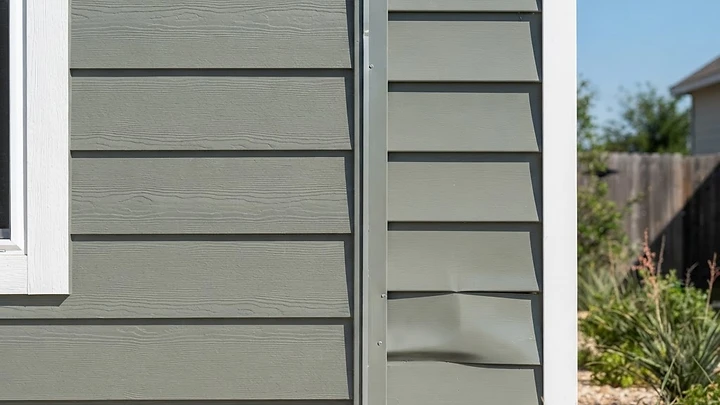
Austin's climate is brutal on exterior siding. The summer sun bakes south and west walls for 10+ hours a day. Hailstorms pelt the exterior with ice. High humidity from spring storms and fall rains works its way into every crack and joint. And oak pollen and mold spores settle on surfaces and stain them.
If you're choosing siding for an Austin home, the two most common options are fiber cement (James Hardie) and vinyl. Both are popular, but they perform very differently in Central Texas weather. Here's the honest comparison.
Fiber Cement (James Hardie)
Fiber cement is a composite material made from cement, sand, and cellulose fibers. James Hardie is the dominant brand, and it's what we install on most Austin homes.
How It Performs in Austin
Sun and UV: Excellent. Fiber cement holds paint for 12 to 15 years, compared to 5 to 7 years for wood. The ColorPlus factory finish is baked on and rated for Texas sun.
Hail: Very good. Fiber cement is rigid and dense - it doesn't dent or crack from normal hail. Large hail (2+ inches) can crack it, but this is rare.
Humidity and moisture: Excellent when installed properly. Fiber cement doesn't rot, swell, or warp. It requires proper clearance from grade and flashing at all penetrations, but when installed to spec, it's essentially maintenance-free.
Fire: Noncombustible. This is a significant advantage in areas with wildfire risk, and it can lower your insurance premium.
Pest resistance: Excellent. Termites and carpenter ants don't eat cement.
The Pros
- 30-year product warranty
- Holds paint for 12-15 years (ColorPlus finish)
- Noncombustible (Class A fire rating)
- Resists hail, UV, and moisture
- Can be painted any color
- Matches historic profiles for landmark districts
- Adds resale value
The Cons
- Higher cost than vinyl (typically 30-50% more)
- Heavier - requires proper framing and installation
- Requires experienced installers (improper installation voids the warranty)
- Field-painted options need repainting every 12-15 years
Best For
Fiber cement is the right choice for most Austin homes, especially:
- Homes in historic districts where profile matching matters
- Homes with sun exposure on south and west walls
- Homes in areas with hail risk
- Homes where fire resistance matters
- Homeowners planning to stay 10+ years
Vinyl Siding
Vinyl siding is made from PVC (polyvinyl chloride) panels. It's the most budget-friendly siding option and is common on production builds and rental properties.
How It Performs in Austin
Sun and UV: Fair. Vinyl fades faster than fiber cement in Texas sun, especially darker colors. After 8-10 years, the color may look chalky or uneven.
Hail: Fair to poor. Standard vinyl can crack on impact from hail. Insulated vinyl (with a foam backing) performs better, but large hail can still dent or crack it.
Humidity and moisture: Good. Vinyl doesn't rot or absorb water. However, if water gets behind the siding (from poor flashing or installation), it can trap moisture against the wall sheathing.
Fire: Poor. Vinyl melts at relatively low temperatures. A grill placed too close to the wall, or reflected heat from a window, can warp or melt the siding.
Pest resistance: Good. Insects don't eat vinyl.
The Pros
- Lowest cost siding option
- Fast installation
- No painting required
- Color-through material (scratches don't show a different color underneath)
- Low maintenance (no repainting cycle)
- Available in insulated versions for better energy efficiency
The Cons
- Fades in Texas sun (especially darker colors)
- Can crack in hailstorms
- Melts near heat sources (grills, reflected window heat)
- Cannot be painted (paint doesn't adhere well to vinyl)
- Less resale value than fiber cement
- May not be allowed in historic districts or some HOAs
Best For
Vinyl siding makes sense for:
- Budget-conscious projects where upfront cost is the primary factor
- Rental properties where longevity isn't a priority
- Homes where the siding will be replaced again in 15-20 years
- Areas without hail risk (rare in Austin)
Head-to-Head Comparison
| Factor | Fiber Cement | Vinyl |
|---|---|---|
| Upfront cost | Higher | Lower |
| Lifespan | 30+ years | 15-20 years |
| Hail resistance | Very good | Fair to poor |
| UV/sun resistance | Excellent | Fair |
| Fire rating | Noncombustible | Melts |
| Paint cycle | 12-15 years | Never (but fades) |
| Warranty | 30-year product | Lifetime (limited) |
| Resale value | High | Moderate |
| Maintenance | Low | Low |
Our Recommendation for Austin Homes
In almost every case, we recommend fiber cement over vinyl for Austin homes. Here's why:
-
Hail is a fact of life in Austin. Vinyl cracks in hailstorms. Fiber cement doesn't. After one hailstorm, the cost difference between the two materials may be erased by the cost of repairing cracked vinyl.
-
The sun is relentless. Vinyl fades in Texas UV. Fiber cement holds its color for 12-15 years.
-
Fire resistance matters. Austin's summers are dry and hot. The noncombustible rating of fiber cement provides peace of mind and can lower your insurance premium.
-
Resale value. Fiber cement is recognized as a premium siding material. Buyers and inspectors know the difference, and it shows up in appraisal values.
-
Long-term cost. While vinyl is cheaper upfront, fiber cement lasts longer and requires less maintenance over its lifespan. When you amortize the cost over 30 years, fiber cement is the better value.
When Vinyl Makes Sense
We're not anti-vinyl. It has its place. If you're siding a rental property, a garage, or a home you plan to sell within 5 years, vinyl is a reasonable choice. It's also a good option if your budget simply doesn't allow for fiber cement - a vinyl-sided home is better than a home with rotting wood siding.
But for a home you plan to live in for 10+ years, in a climate like Austin's, fiber cement is the investment that pays off.
Get a Free Siding Estimate
We install both fiber cement and vinyl, and we'll give you an honest recommendation based on your home, your budget, and your plans. Call us for a free estimate - we'll bring material samples and show you the difference in person.