storm
Signs of Hail Damage: What Austin Homeowners Should Look For
Nighthawk Crew · Jun 10, 2025
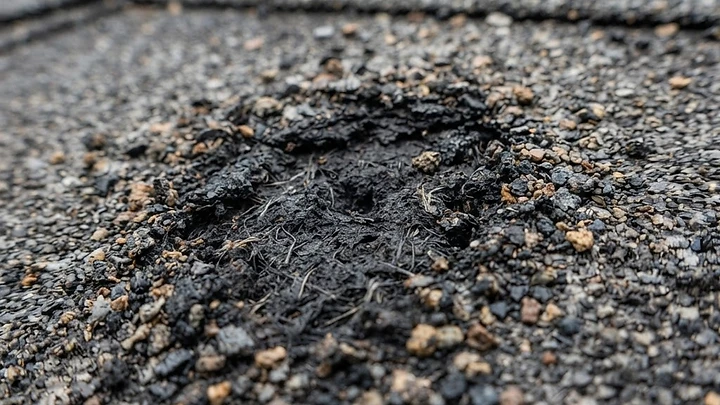
Hailstorms are a fact of life in Austin. But after a storm rolls through, most homeowners don't know what to look for - and by the time they notice a ceiling stain, the damage has already been done.
Here's a ground-level guide to spotting hail damage on your home, so you know when to call for a professional inspection.
Ground-Level Signs of Hail Damage
You don't need to climb on your roof to spot hail damage. Most of the evidence is visible from the ground if you know where to look.
1. Granules in the Gutters and at Downspout Exits
This is the #1 sign of hail damage on asphalt shingles. Hail impacts knock the protective granules off the shingle surface, and rain washes them into the gutters and down the downspouts.
What to look for:
- A buildup of coarse, sand-like granules in the gutters
- Granule deposits at the base of downspouts, on the ground, or in the splash block
- Granules in your gutter guards (if you have them)
Why it matters: Granules are the shingle's UV protection. Once they're gone, the asphalt mat is exposed to the sun and will crack within a year.
2. Dented Metal Surfaces
Metal surfaces dent when hail hits them, and these dents are clear evidence of hail impact. Check:
- Roof vent caps and pipe boots - look up from the ground with binoculars
- Flashing at the chimney and valleys - dents here confirm hail hit the roof
- Gutter surfaces - dents on the front face of the gutter are a sure sign
- AC condenser fins - look for bent fins on the exterior unit
- Mailbox - if it's metal, check for dents
- Window screens - hail can poke holes in screens
- Downspouts - dents on the downspout surface confirm hail size
Why it matters: Dented metal establishes that hail actually struck your property, and the size of the dents indicates hail size - both of which are important for insurance claims.
3. Damaged Shingles (Visible from the Ground)
While you can't see hail bruises from the ground, you can spot other types of shingle damage:
- Missing shingle tabs - wind associated with hailstorms can lift and tear off tabs
- Cracked shingles - hail impacts can crack shingles, especially if they're old and brittle
- Shingles that look dark or discolored - this can be bruising where granules have been knocked off
Use binoculars to scan the roof from the ground. Focus on the slopes that face the direction the storm came from - hail damage is directional.
4. Damage to Siding and Exterior Surfaces
Hail doesn't just hit the roof. Check your home's exterior:
- Vinyl siding - look for cracks, chips, or holes. Vinyl is particularly vulnerable to hail cracking.
- Fiber cement siding - look for cracks or chips, though fiber cement is much more resistant than vinyl.
- Wood siding - look for dents, splits, or paint chips where hail struck.
- Window frames - check for dents or chips in the frame material.
- Deck and fence surfaces - hail can dent composite decking and crack wood.
5. Damage to Outdoor Items
These items can confirm hail size and intensity:
- Patio furniture - dents on metal frames, cracks in plastic
- Planters - chips or cracks in ceramic or terra cotta
- Light fixtures - broken or dented exterior lights
- Garden hoses and irrigation - holes from hail impact
What Hail Bruising Looks Like on Shingles
The most common hail damage - bruising - isn't visible from the ground. But if you're on the roof (or looking at drone photos), here's what to look for:
- Dark, circular spots on the shingle surface where granules have been knocked away
- A soft feel when you press on the spot - the mat is dented underneath
- A random pattern - hail strikes are scattered, not uniform
- Concentration on specific slopes - hail comes from one direction, so damage is directional
Bruising doesn't cause an immediate leak, but it compromises the shingle's protection. Within 6-12 months, the bruised spots will crack and start letting water in.
When to Call for an Inspection
After any hailstorm that produces hail larger than pea-size (1/4 inch), you should have your roof inspected. Even if you don't see obvious damage from the ground, a drone inspection can reveal bruising that isn't visible from below.
Don't wait. Hail damage gets worse over time. A bruised shingle today is a leak in 6 months. And the longer you wait to file a claim, the harder it is to prove the damage was from a specific storm.
What a Professional Inspection Includes
When we inspect your roof for hail damage, here's what we do:
- Drone flyover of every roof slope, valley, and penetration
- High-resolution photos of every potential impact point
- Metal surface inspection - vent caps, flashing, pipe boots for dents
- Gutter and downspout check for granule accumulation
- Attic inspection for wet insulation, deck stains, or daylight showing through
- Written damage report with dated photos and a clear recommendation
You get all the photos and the report, whether or not you decide to file a claim. If the damage warrants a claim, we'll meet your adjuster on site to make sure they see everything we found.
After the Storm: What to Do
- Take photos from the ground of anything you can see - dented metal, granules in gutters, missing shingles
- Check your ceilings for new stains or water intrusion
- Don't climb on the roof - leave that to us
- Call for a free drone inspection before contacting your insurance company
- If damage is confirmed, file the claim with the documentation we provide
- Have your contractor present when the adjuster inspects
Don't Guess - Get It Checked
Hail damage isn't always obvious, and you can't diagnose it from the ground. But the ground-level signs above tell you when it's time to call for a professional inspection.
If a storm has passed through your neighborhood, call us. We'll fly your roof with a drone, show you the photos, and tell you straight whether you have damage worth claiming. The inspection is free, and you'll know exactly where you stand before you talk to your insurance company.