storm
Storm Season Prep: Protecting Your Austin Home Before Hail Hits
Nighthawk Crew · Mar 1, 2025
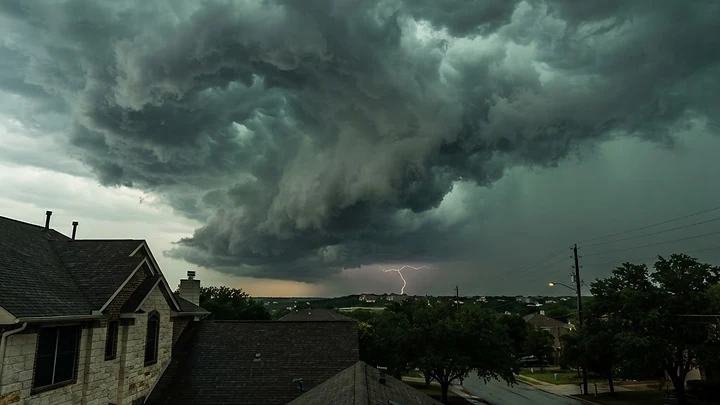
Austin's storm season runs roughly from March through June in the spring and October through November in the fall. During these months, severe thunderstorms with hail, high winds, and heavy rainfall roll through the metro area with little warning.
The homes that weather these storms best aren't the ones with the newest roofs - they're the ones that were prepped before the season started. Here's what to check, fix, and prepare before the next cell hits.
1. Get a Pre-Season Roof Inspection
The single most important thing you can do before storm season is get your roof inspected. A drone inspection takes about 30 minutes and will tell you:
- Whether your shingles are still sound or nearing end of life
- If any flashing or pipe boots are failing
- Whether your gutters are clear and flowing
- If there are soft spots in the decking
If we find issues, you have time to fix them before a storm turns a small problem into a ceiling stain. If your roof is sound, you have peace of mind - and documentation of its pre-storm condition, which is valuable if you need to file a claim later.
2. Clean Your Gutters and Downspouts
Clogged gutters are the #1 cause of water damage during storms. When gutters are full of leaves and debris, rainwater has nowhere to go except over the edge - and that water ends up at your foundation, in your crawl space, or behind your siding.
Before storm season:
- Clean all gutters and downspouts of leaves, granules, and debris
- Check that downspouts extend at least 3 feet from the foundation
- Look for sagging gutter sections that need new hangers
- Consider gutter guards if you have oaks or cedars over your roof
If your gutters are old, leaking at the seams, or undersized for your roof area, storm season is the time to replace them - not after they overflow.
3. Trim Trees Away From the Roof
Austin's mature oaks are beautiful, but branches over the roof are a storm hazard. High winds can break limbs that puncture shingles or gutters, and overhanging branches drop debris that clogs drainage paths.
Before storm season:
- Trim branches that overhang the roof by at least 6 feet
- Remove dead or weak limbs that could break in high wind
- Check for branches near power lines and call the utility if needed
- Clear debris from the roof valleys where leaves collect
If you have a steep roof or tall trees, hire a professional - falling from a roof is not worth the savings.
4. Check Your Attic Ventilation
Poor attic ventilation doesn't cause storm damage directly, but it shortens your roof's life and makes shingles more brittle - which means they're more likely to crack when hail hits.
Signs of poor ventilation:
- Attic temperature above 130°F in summer
- Rusted nails or moisture on the underside of the deck
- Curling shingles on the exterior
If your attic isn't venting properly, a ridge vent or additional soffit vents can fix the problem and extend the life of your roof.
5. Secure Loose Items Around the Property
High winds turn loose items into projectiles. Before a storm:
- Secure or store patio furniture, umbrellas, and planters
- Anchor trash cans and recycling bins
- Check that fences and gates are in good repair
- Remove or secure trampolines (these are notorious for flying in storms)
6. Know Your Insurance Coverage
Before storm season is the time to review your insurance policy. Check:
- Your deductible amount - many Texas policies have separate, higher deductibles for wind/hail (often 1-2% of the home's insured value)
- Your coverage limits - make sure your dwelling coverage reflects current replacement costs
- Whether you have code upgrade coverage - this covers the cost of bringing your roof up to current code during a replacement
- Your roof's age on the policy - some policies pay actual cash value (depreciated) instead of replacement cost for roofs over a certain age
If your deductible is high and your roof is older, it may make sense to replace the roof proactively with Class 4 shingles that qualify for a premium discount - rather than waiting for a storm that leaves you with a large out-of-pocket cost.
7. Have a Post-Storm Plan
Know what to do after a storm:
- Check for visible damage from the ground - missing shingles, dented metal, debris on the roof
- Check your ceilings for new stains or water intrusion
- Take photos of any damage you can see
- Call a roofing contractor for a free drone inspection before calling your insurance company
- Don't let a contractor pressure you into signing anything on the spot - a legitimate contractor will give you time to review the scope and the price
Don't Wait for the Next Storm
The best time to prepare for storm season is before it starts. A free inspection takes 30 minutes and could save you thousands in water damage and insurance headaches.
Call us before the next cell rolls through. We'll check your roof, gutters, and flashing, and tell you straight whether you're ready for storm season or whether something needs attention.